

As an urban road bike supplier, I often get asked by customers about the best way to store their bikes during the winter months. Winter can be harsh on bikes, with cold temperatures, snow, and ice potentially causing damage if the bike isn't stored properly. In this blog post, I'll share some professional tips on how to store your Urban Road Bike effectively during winter.
1. Clean the Bike Thoroughly
Before storing your urban road bike for the winter, a thorough cleaning is essential. This process not only keeps your bike looking good but also prevents long - term damage.
Start by rinsing the bike with a gentle stream of water to remove loose dirt and debris. Pay special attention to the chain, gears, and brakes, as these areas tend to accumulate the most grime. Use a mild bike cleaner and a soft brush to scrub the frame, wheels, and components. For the chain, you can use a chain cleaner tool to get rid of all the dirt and old lubricant.
After scrubbing, rinse the bike again to ensure all the cleaner is removed. Then, dry the bike completely with a clean, dry cloth. Moisture left on the bike can lead to rust, especially in the winter when the air is often damp.
2. Lubricate Moving Parts
Once the bike is clean and dry, it's time to lubricate the moving parts. Apply a high - quality bike lubricant to the chain, derailleurs, and pivot points of the brakes. Lubrication reduces friction between the parts, which helps to prevent wear and tear during storage.
When applying the lubricant to the chain, let it sit for a few minutes, then wipe off any excess. Excess lubricant can attract dirt and dust, which can cause more problems in the long run. For the derailleurs and brake pivot points, a light application of lubricant will be sufficient.
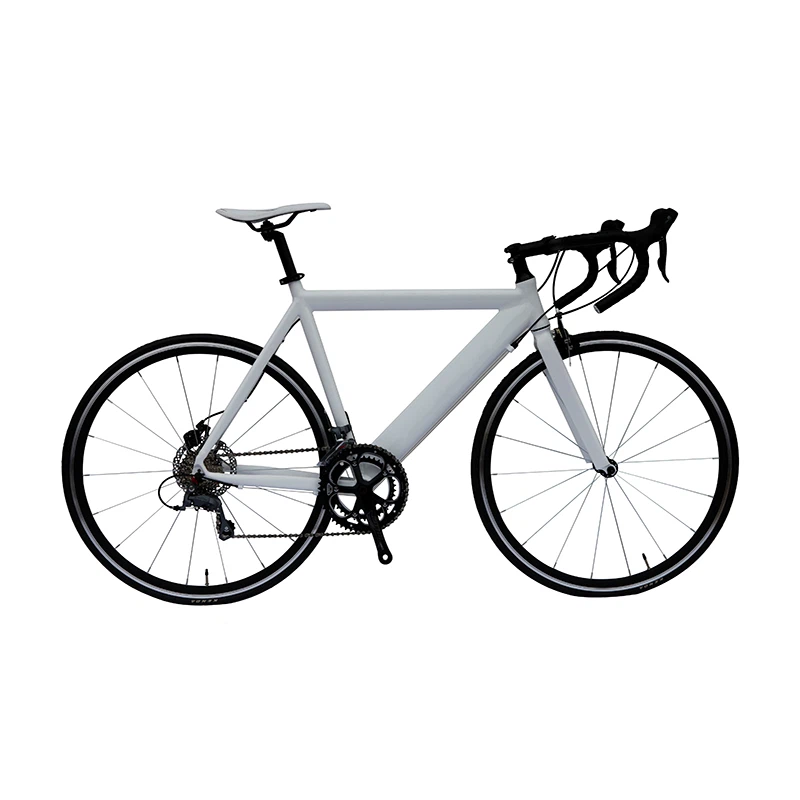

3. Check and Adjust Components
Before putting your bike away for the winter, it's a good idea to check and adjust the components. Inspect the brakes to make sure they are in good working condition. Check the brake pads for wear and replace them if necessary. Also, make sure the brake cables are tight and not frayed.
Examine the gears as well. Shift through all the gears to ensure smooth operation. If you notice any issues, such as gears not shifting properly, you may need to adjust the derailleurs. You can do this yourself if you have the necessary tools and knowledge, or take your bike to a professional bike mechanic.
For the wheels, check the tire pressure. It's recommended to inflate the tires to the recommended pressure before storage. This helps to maintain the shape of the tires and prevents flat spots from forming.
4. Choose the Right Storage Location
The storage location plays a crucial role in protecting your urban road bike during the winter. Ideally, you should store your bike indoors in a dry, temperature - controlled environment. A garage, basement, or a spare room in your house would be suitable.
Avoid storing your bike in an area where it may be exposed to moisture, such as near a leaky window or a damp corner. Also, keep it away from sources of heat, such as a furnace or a radiator, as excessive heat can damage the bike's components.
If you don't have indoor storage space, you can consider using a bike cover. A good quality bike cover can protect your bike from the elements, but it's still not as effective as indoor storage.
5. Store the Bike Properly
There are several ways to store your bike properly. One option is to hang the bike on a wall using a bike hook. This saves floor space and keeps the bike off the ground, reducing the risk of damage. Make sure the bike hook is securely attached to the wall and can support the weight of the bike.
Another option is to use a bike stand. A bike stand holds the bike upright, which is convenient if you want to access the bike easily. It also helps to keep the bike stable and prevents it from falling over.
If you have limited space, you can consider disassembling the bike. Remove the wheels, pedals, and handlebars to make the bike more compact. However, this requires some technical skills and the right tools. Make sure to label all the parts and keep them in a safe place so that you can reassemble the bike easily in the spring.
6. Consider Additional Protection
In addition to the above steps, you can take some additional measures to protect your bike during winter storage. For example, you can use a frame protector to prevent scratches on the bike frame. Frame protectors are usually made of clear or colored plastic and can be easily applied to the frame.
You can also invest in a moisture - absorbing product, such as silica gel packets. Place these packets near the bike to absorb any moisture in the air, which helps to prevent rust.
Why Choose Our Urban Road Bikes
At our company, we take pride in offering high - quality Urban Road Bikes. Our bikes are designed with the urban rider in mind, featuring lightweight frames, efficient gears, and reliable brakes. We have a wide range of models to choose from, including the 52 cm Road Bike and the Lightweight Womens Road Bike.
Our bikes are built to last, but proper storage during the winter is still essential to maintain their performance and longevity. By following the tips in this blog post, you can ensure that your bike is in top condition when the winter is over.
If you're interested in purchasing an urban road bike or have any questions about bike storage, we'd love to hear from you. Contact us to start a discussion about your bike needs and storage requirements. We're here to help you find the perfect bike and ensure that it's well - taken care of.
References
- "Bicycle Maintenance Guide" - Bicycling Magazine
- "Winter Bike Storage Tips" - Sheldon Brown's Bicycle Technical Information


