

Transporting a kids bike might seem like a straightforward task, but it involves several considerations to ensure the bike arrives at its destination in perfect condition. As a kids bike supplier, I've encountered various scenarios and challenges when it comes to shipping our products. In this blog post, I'll share some valuable insights and practical tips on how to transport a kids bike effectively.
Preparing the Bike for Transport
Before you even think about the mode of transportation, it's crucial to prepare the kids bike properly. This preparation not only protects the bike but also makes the transportation process smoother.
Cleaning the Bike
First and foremost, give the bike a thorough cleaning. Remove any dirt, mud, or debris from the frame, wheels, and components. A clean bike is less likely to get damaged during transit, and it also makes it easier to inspect for any pre - existing issues. You can use a mild soap and water solution, along with a soft brush, to clean the bike gently.

Disassembling Components
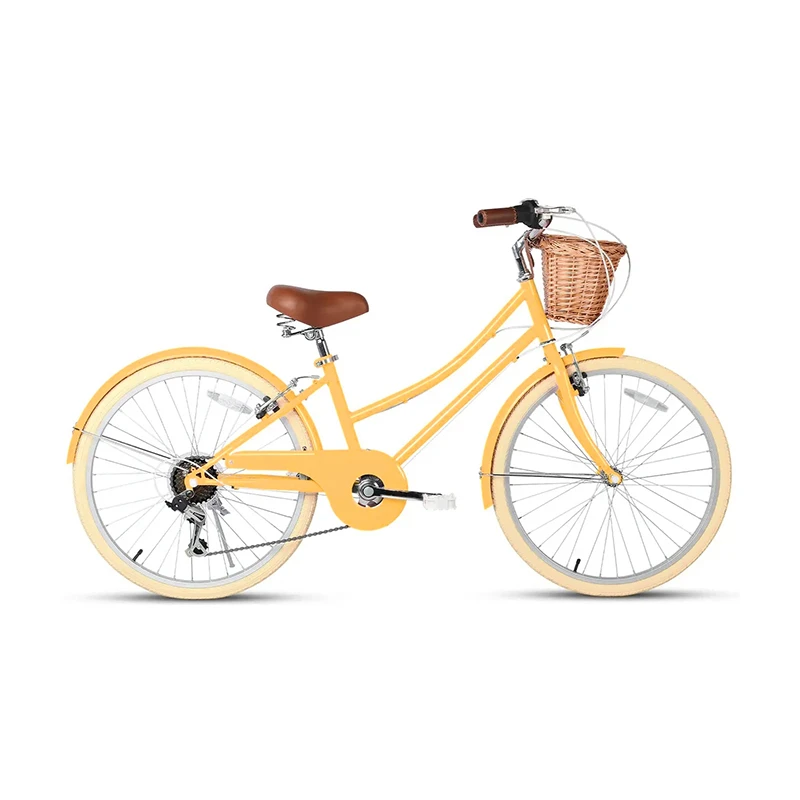
Some parts of the kids bike can be disassembled to make it more compact and less vulnerable to damage. For example, the pedals can be easily removed using a pedal wrench. You can also detach the handlebars by loosening the stem bolts. If the bike has a detachable seat, remove it as well. Place all the removed parts in a secure bag and label them clearly to ensure easy reassembly later.
Protecting the Frame
The frame is the most critical part of the bike, and it needs to be protected from scratches and dents. You can use bubble wrap or foam padding to wrap the frame. Pay special attention to the areas where the bike might come into contact with the transport container or other objects. Secure the padding with tape to keep it in place.
Choosing the Right Packaging
Selecting the appropriate packaging is essential for safe transportation. Here are some options to consider:
Bike Boxes
Many bike manufacturers and suppliers offer custom - made bike boxes. These boxes are designed to fit kids bikes perfectly and provide excellent protection. They usually come with built - in padding and compartments for storing the removed components. If you're shipping the bike, a bike box is often the best choice as it meets the requirements of most shipping carriers.
Cardboard Boxes
If you don't have access to a bike box, a sturdy cardboard box can also work. Make sure the box is large enough to accommodate the disassembled bike with some extra space for padding. You can reinforce the box with additional cardboard or packing tape to make it more durable.
Soft Cases
Soft cases are a lightweight and flexible option for transporting kids bikes. They are made of materials like nylon or polyester and often have padding inside. Soft cases are convenient for carrying the bike on a plane or in a car, as they are easy to handle and can be stored more easily. However, they may not provide as much protection as bike boxes or cardboard boxes.
Selecting the Mode of Transport
The mode of transport you choose depends on several factors, such as the distance, cost, and urgency of the delivery.
Shipping Services
For long - distance transportation, shipping services are a popular choice. There are many shipping carriers available, each with its own set of services and rates. When choosing a shipping carrier, consider factors like delivery time, insurance options, and tracking capabilities. Some carriers specialize in bike shipping and offer additional protection and handling services.
Personal Vehicle
If you're transporting the bike locally or within a short distance, using your personal vehicle is a convenient option. Make sure the bike is properly secured in the vehicle to prevent it from shifting during transit. You can use straps or bungee cords to secure the bike to the seats or the cargo area. If you have a roof rack, you can also transport the bike on the roof of your car.
Public Transportation
In some cases, you may need to use public transportation to transport a kids bike. Before using public transportation, check the rules and regulations regarding bike transportation. Some buses, trains, and subways allow bikes on board, but there may be restrictions on the size and type of bike. You may need to fold the bike or use a bike bag to make it more manageable.
Ensuring Safe Handling During Transport
Once you've prepared the bike, chosen the right packaging, and selected the mode of transport, it's important to ensure safe handling during the journey.
Labeling the Package
Clearly label the package as "Kids Bike" and include any handling instructions, such as "Fragile" or "This Side Up." This will help the handlers to be more careful when moving the package.
Insuring the Bike
If the bike is valuable, it's a good idea to purchase insurance for the transportation. Most shipping carriers offer insurance options, and you can also purchase additional insurance from a third - party provider. Insurance will protect you in case the bike gets damaged or lost during transit.
Tracking the Shipment
If you're using a shipping service, take advantage of the tracking capabilities offered by the carrier. You can monitor the progress of the shipment and receive updates on its location and estimated delivery time. This will give you peace of mind and allow you to plan for the arrival of the bike.
Reassembling the Bike
Once the bike arrives at its destination, it's time to reassemble it. Follow these steps to ensure a proper reassembly:
Gather the Tools
You'll need some basic tools for reassembly, such as a pedal wrench, Allen wrenches, and a screwdriver. Make sure you have all the tools on hand before you start.
Reattach the Components
Start by reattaching the seat, handlebars, and pedals. Use the labeled bag to find the correct parts and follow the instructions carefully. Make sure all the components are tightened securely, but be careful not to over - tighten them, as this can damage the bike.
Check the Bike
After reassembling the bike, give it a thorough check. Make sure the wheels spin freely, the brakes work properly, and the gears shift smoothly. If you notice any issues, make the necessary adjustments or contact a bike mechanic for assistance.
Conclusion
Transporting a kids bike requires careful planning and preparation to ensure its safe arrival. By following the tips outlined in this blog post, you can minimize the risk of damage and make the transportation process as smooth as possible. As a kids bike supplier, I understand the importance of delivering high - quality products to our customers. Whether you're shipping a 14 Inch Children's Bike, a Bike 3 5 Years, or a Child Bike At, these guidelines will help you transport the bike with confidence.
If you're interested in purchasing kids bikes from our range, we'd love to hear from you. Feel free to reach out to us for more information and to discuss your procurement needs. We're committed to providing the best products and services to our customers.
References
- "Bicycle Transportation Handbook" by John Pucher and Ralph Buehler
- "The Complete Guide to Bike Maintenance" by Park Tool Company


