

When it comes to road bikes, one of the most intriguing aspects is the power output of a rider. As a road bike supplier, I've witnessed firsthand the diverse range of power capabilities among cyclists. Understanding the power output of a road bike rider is not only essential for cyclists themselves but also for those in the cycling industry, including bike manufacturers, coaches, and enthusiasts.
Power output in cycling is typically measured in watts. It represents the rate at which a cyclist can do work, specifically the amount of energy they can transfer to the pedals per unit of time. This measurement is crucial because it directly relates to a cyclist's performance, speed, and endurance.
Several factors influence the power output of a road bike rider. One of the most significant factors is the rider's physical fitness. A well - trained cyclist with a high level of cardiovascular endurance, muscular strength, and power will generally have a higher power output. Regular training, including interval training, hill climbs, and long - distance rides, can significantly improve a cyclist's power - generating capabilities.
For instance, professional cyclists often undergo rigorous training programs that focus on building both aerobic and anaerobic power. Aerobic power is related to the body's ability to use oxygen to produce energy over an extended period, which is crucial for long - distance rides. Anaerobic power, on the other hand, is the ability to produce energy without relying on oxygen, which is important for short, intense bursts of speed, such as sprinting at the end of a race.
Another important factor is the rider's body composition. Cyclists with a lower body fat percentage and a higher muscle mass tend to have a higher power output. Muscle is more metabolically active than fat, meaning it can generate more power per unit of mass. Additionally, a lighter body weight can be an advantage on the road, as it requires less energy to move the bike and rider forward.
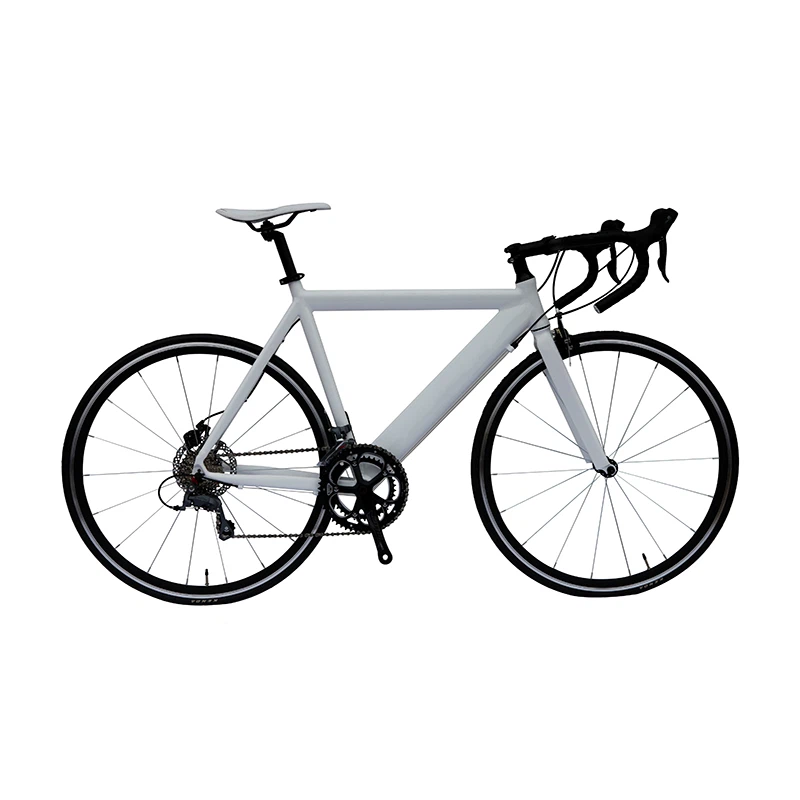
The bike itself also plays a role in a rider's power output. A high - quality road bike, such as our 52 cm Road Bike, is designed to be efficient, reducing the amount of energy lost through friction and other inefficiencies. Features like a lightweight frame, aerodynamic design, and high - performance components can all contribute to a more efficient transfer of power from the rider to the road.
Aerodynamics is a key consideration in road bike design. A bike with an aerodynamic frame and components can reduce the drag force acting on the rider, allowing them to maintain a higher speed with the same amount of power. Our Urban Road Bike is an excellent example of a bike that combines style and aerodynamics, making it a great choice for both urban commuting and longer rides.
The gearing system of a road bike is also important. A well - designed gearing system allows the rider to find the optimal gear ratio for different riding conditions. For example, when climbing a steep hill, a lower gear ratio makes it easier to pedal, while a higher gear ratio is more suitable for flat or downhill sections, allowing the rider to achieve higher speeds.
In addition to physical fitness, body composition, and bike design, environmental factors can also affect a rider's power output. Wind resistance is a major factor, especially at higher speeds. Riding against a strong headwind can significantly increase the amount of power required to maintain a given speed. Temperature and humidity can also impact a rider's performance, as extreme conditions can cause fatigue more quickly.
To measure a rider's power output, power meters are commonly used. These devices are typically installed on the bike, either on the crank arm, pedals, or hub. A power meter measures the force applied to the pedals and the angular velocity of the crank, allowing it to calculate the power output in real - time. This data can be invaluable for cyclists, as it allows them to track their progress, set training goals, and optimize their performance.
For beginner cyclists, it's important to start gradually and focus on building a solid foundation of fitness. As they gain more experience, they can gradually increase the intensity and duration of their rides. Intermediate and advanced cyclists can use power meters to fine - tune their training programs, targeting specific areas for improvement.
As a road bike supplier, we understand the importance of providing our customers with high - quality bikes that are designed to enhance their performance. Our Lightweight Womens Road Bike is specifically tailored to the needs of female cyclists, offering a combination of lightweight design, comfort, and performance.

Whether you're a professional cyclist looking for a competitive edge or a casual rider enjoying the outdoors, the power output of a road bike rider is a fascinating topic. By understanding the factors that influence power output and choosing the right bike and training program, cyclists can maximize their performance and enjoy a more fulfilling cycling experience.
If you're interested in purchasing a road bike that can help you achieve your cycling goals, we invite you to get in touch with us. Our team of experts is ready to assist you in finding the perfect bike for your needs. We offer a wide range of road bikes, from entry - level models to high - end racing bikes, and we're committed to providing excellent customer service. Whether you're a seasoned cyclist or just starting out, we're here to help you take your cycling to the next level. Contact us today to start the conversation about your road bike needs and let's explore the possibilities together.
References
- Coyle, E. F. (2005). Physiological and biomechanical factors associated with elite endurance cycling performance. Journal of Sports Sciences, 23(11), 1187 - 1194.
- Lucia, A., & Chavarren, J. (2004). Physiological determinants of performance in elite cyclists. Sports Medicine, 34(11), 725 - 759.
- Martin, J. C., Milliken, D. L., Cobb, J. P., McFadden, K., & Coggan, A. R. (1998). Validation of a mathematical model for road cycling power. Journal of Applied Biomechanics, 14(3), 276 - 291.


