

When it comes to cycling, two popular types of bikes often come into consideration: road bikes and cyclocross bikes. As a road bike supplier, I've witnessed firsthand the confusion many cyclists face when choosing between these two. In this blog, I'll break down the key differences between road bikes and cyclocross bikes to help you make an informed decision.
Frame Design
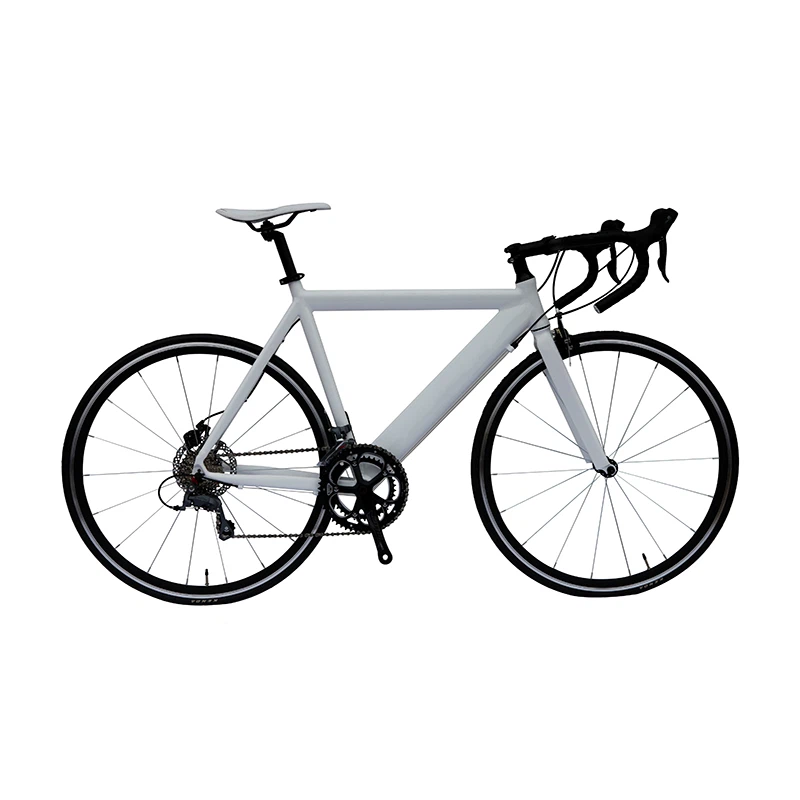
One of the most noticeable differences between road bikes and cyclocross bikes lies in their frame designs. Road bikes are engineered for speed on smooth, paved surfaces. Their frames are typically lightweight, aerodynamic, and have a more aggressive geometry. This geometry positions the rider in a forward - leaning stance, which reduces wind resistance and allows for efficient power transfer. The frame tubes are often thin and streamlined to minimize weight and enhance speed.
On the other hand, cyclocross bikes are designed to handle a variety of terrains, including dirt, gravel, and mud. Their frames are more robust and durable. The geometry is more upright compared to road bikes, providing better control and stability when navigating uneven surfaces. Cyclocross frames also have wider clearances for tires, allowing riders to use larger and more aggressive treads for better traction on off - road terrain.
Wheel Size and Tires
Road bikes commonly use 700c wheels, which are large and provide a smooth rolling experience on paved roads. The tires on road bikes are typically narrow, ranging from 23mm to 28mm in width. These skinny tires have low rolling resistance, enabling cyclists to achieve high speeds with less effort. The tread patterns on road bike tires are usually minimal, as they are designed for use on smooth surfaces.
Cyclocross bikes also use 700c wheels, but their tires are wider, often ranging from 32mm to 40mm or even wider in some cases. The wider tires provide more stability and better traction on loose or uneven surfaces. Additionally, cyclocross tires have more pronounced tread patterns, with larger knobs that can grip dirt, gravel, and mud. This allows riders to maintain control when cornering, braking, and accelerating on off - road courses.
Gearing
Gearing is another important aspect that sets road bikes and cyclocross bikes apart. Road bikes are geared for high - speed riding on flat or gently rolling terrain. They typically have a large chainring in the front and a range of smaller cogs in the rear cassette. This setup allows riders to achieve high speeds with minimal effort when pedaling on smooth roads. Road bikes often have a wide range of gears to accommodate different riding conditions, from steep climbs to fast descents.
Cyclocross bikes, on the other hand, require a different gearing setup to handle the varying terrain they encounter. They usually have a smaller chainring in the front and a wider range of cogs in the rear cassette. This provides lower gearing ratios, which are essential for climbing steep hills and powering through soft or muddy sections. The lower gears make it easier for riders to maintain momentum and control when faced with challenging off - road conditions.
Braking Systems
Braking is crucial for both road bikes and cyclocross bikes, but the requirements differ. Road bikes typically use either rim brakes or disc brakes. Rim brakes are lightweight and cost - effective, and they provide reliable stopping power on paved roads. However, they can be less effective in wet or muddy conditions. Disc brakes, on the other hand, offer superior stopping power in all weather conditions. They are more reliable and consistent, especially when riding at high speeds or in challenging environments.
Cyclocross bikes almost always use disc brakes. The nature of cyclocross riding, which often involves riding in wet, muddy, and dirty conditions, demands a braking system that can perform reliably. Disc brakes are less affected by water, mud, and debris, ensuring consistent stopping power even in the most adverse conditions. This gives cyclocross riders the confidence they need to brake late and hard when cornering or maneuvering on uneven terrain.

Usage and Riding Style
The intended usage and riding style also differ significantly between road bikes and cyclocross bikes. Road bikes are ideal for long - distance rides, commuting on paved roads, and competitive road racing. They are designed for speed and efficiency, allowing riders to cover large distances quickly. Road cyclists often focus on achieving high average speeds, improving their endurance, and participating in group rides or races.
Cyclocross bikes, as the name suggests, are built for cyclocross racing, which is a short - distance, off - road racing discipline. Cyclocross races typically take place on a course that includes a mix of terrain, such as grass, dirt, gravel, mud, and sometimes even obstacles that riders may need to dismount and carry their bikes over. However, cyclocross bikes are also popular for gravel grinding, adventure cycling, and commuting on less - than - perfect roads. They offer the versatility to handle a wide range of terrain while still providing a relatively fast and efficient ride.
Our Road Bike Offerings
As a road bike supplier, we offer a wide range of high - quality road bikes to suit different needs and preferences. For those who are looking for a well - sized option, we have the 52 cm Road Bike. This bike is perfect for riders of a specific height range, providing a comfortable and efficient riding position.
If you're a female cyclist, our Lightweight Womens Road Bike is an excellent choice. It is designed with the female body in mind, offering a more ergonomic fit and a lightweight frame for easy handling.
For urban commuters, we recommend our Urban Road Bike. This bike is built to handle the challenges of city riding, with features such as durable frames, reliable brakes, and comfortable seating.
Conclusion
In conclusion, the differences between road bikes and cyclocross bikes are significant and are mainly driven by their intended usage and the terrain they are designed to handle. Road bikes are optimized for speed on smooth, paved roads, while cyclocross bikes offer more versatility and are better suited for off - road and mixed - terrain riding.
If you're still unsure which type of bike is right for you, or if you're interested in purchasing a road bike from our selection, we're here to help. Feel free to reach out to us for more information and to start a procurement discussion. We're committed to providing you with the best cycling solutions to meet your needs.
References
- "Bicycling Science" by David Gordon Wilson
- "The Ultimate Guide to Road Biking" by Joe Friel
- "Cyclocross: The Complete Guide to Racing and Riding" by Mark McCormack


