

Bicycles have long been a staple of transportation and recreation, with regular bikes being a common sight on roads and trails for decades. In recent years, electric bikes, or e-bikes, have emerged as a popular alternative, offering a blend of traditional cycling and modern technology. As an electric bike supplier, I've witnessed firsthand the growing interest in e-bikes and the questions that often arise about their differences from regular bikes. In this blog post, I'll delve into the key distinctions between electric bikes and regular bikes, exploring their features, performance, and practicality.
Power Source and Propulsion
The most fundamental difference between electric bikes and regular bikes lies in their power source and propulsion method. Regular bikes rely solely on human power, with the rider pedaling to generate forward motion. This requires physical exertion, and the speed and distance you can cover depend on your fitness level and the terrain. On the other hand, electric bikes are equipped with an electric motor that provides additional power to assist the rider. The motor can be activated in different ways, such as by pedaling, using a throttle, or a combination of both. This means that you can choose to pedal with varying levels of assistance or rely more on the motor for a more effortless ride.
The addition of an electric motor gives e-bikes a significant advantage in terms of speed and ease of use. With the motor's assistance, you can reach higher speeds more quickly and tackle steep hills with less effort. This makes e-bikes a great option for commuting, especially in areas with challenging terrain or long distances. For example, if you have a hilly commute to work, an e-bike can help you arrive at the office feeling fresh and without breaking a sweat.
Range and Battery Life
Another important consideration when comparing electric bikes and regular bikes is their range and battery life. Regular bikes have an unlimited range as long as the rider has the energy to pedal. However, this range is limited by the rider's physical endurance and the time available for cycling. Electric bikes, on the other hand, have a limited range determined by the battery capacity and the level of assistance used. Most e-bikes can travel between 20 to 50 miles on a single charge, depending on factors such as the terrain, rider weight, and speed.
It's important to note that the range of an e-bike can be extended by using a lower level of assistance or by pedaling more actively. Additionally, some e-bikes come with removable batteries, which can be easily swapped out for a fully charged one, allowing you to extend your range even further. As an electric bike supplier, I often recommend that customers consider their typical riding distance and choose an e-bike with a battery capacity that can meet their needs.
Cost and Maintenance
When it comes to cost, electric bikes are generally more expensive than regular bikes. The additional cost is due to the electric motor, battery, and other components required for the e-bike's operation. However, the long-term savings in transportation costs can offset the initial investment. For example, if you use an e-bike for commuting instead of a car, you can save on gas, parking, and maintenance costs. Additionally, e-bikes are often eligible for government incentives and subsidies, which can further reduce the cost.
In terms of maintenance, electric bikes require more attention than regular bikes. The battery needs to be charged regularly, and the electric components may require occasional servicing. However, with proper care and maintenance, an e-bike can last for many years. As an electric bike supplier, I offer comprehensive maintenance and support services to ensure that my customers' e-bikes are always in top condition.
Safety and Regulations
Safety is a crucial aspect of cycling, and both electric bikes and regular bikes have their own safety considerations. Regular bikes rely on the rider's physical ability to control the bike and respond to traffic conditions. This requires good balance, coordination, and awareness of the surroundings. Electric bikes, on the other hand, have additional safety features such as lights, brakes, and reflectors, which are required by law in many countries. Additionally, the electric motor can provide a smoother and more stable ride, especially at higher speeds.
It's important to note that e-bikes are subject to different regulations depending on the country and region. In some areas, e-bikes are classified as bicycles and can be ridden on bike paths and roads. In other areas, e-bikes may be subject to additional restrictions, such as speed limits or age requirements. As an electric bike supplier, I make sure to provide my customers with all the necessary information about local regulations and safety requirements.

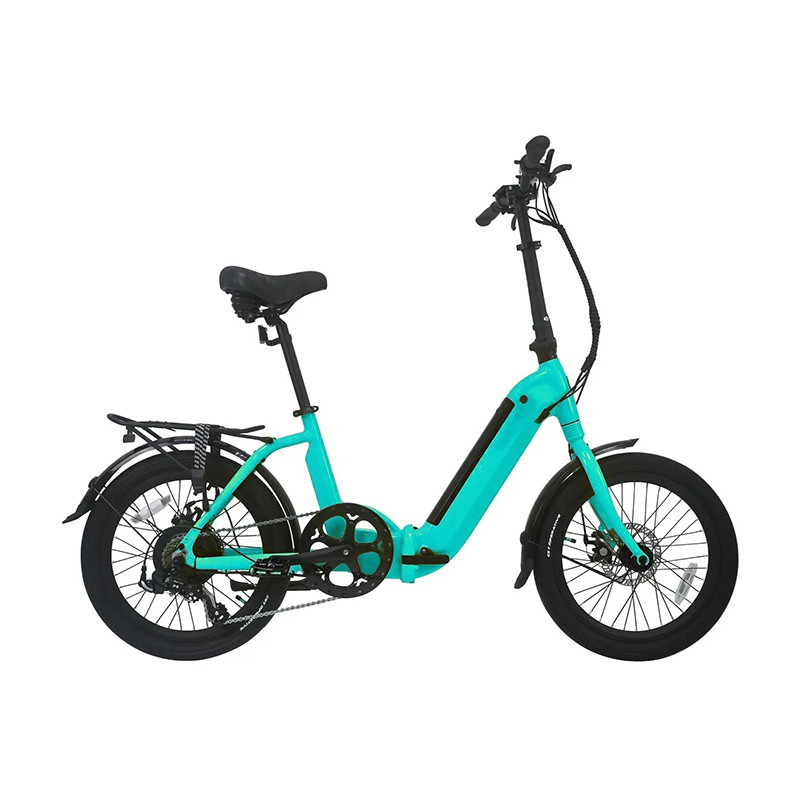
Types of Electric Bikes
There are several types of electric bikes available on the market, each designed for different purposes and riding styles. Some of the most common types of e-bikes include:
- City Bikes: These are designed for urban commuting and are typically lightweight and easy to maneuver. They often come with features such as fenders, lights, and racks for carrying groceries or other items. Women's Electric City Bike is a great example of a city e-bike that combines style and functionality.
- Mountain Bikes: These are designed for off-road riding and are equipped with features such as suspension systems and wide tires for better traction. Electric mountain bikes allow riders to tackle more challenging terrain with less effort.
- Folding Bikes: These are designed for easy storage and transportation. They can be folded up and carried on public transportation or stored in a small space. Mens Electric Folding Bike and Electric Folding Bike Fat Tire are popular options for those who need a portable e-bike.
- Cruiser Bikes: These are designed for a relaxed and comfortable ride, often with a laid-back riding position and wide seats. They are great for leisurely rides along the beach or on flat terrain.
Conclusion
In conclusion, electric bikes and regular bikes each have their own unique advantages and disadvantages. Regular bikes offer a traditional cycling experience that requires physical exertion and provides a great workout. Electric bikes, on the other hand, offer a more effortless and convenient way to get around, especially for commuting or in areas with challenging terrain. As an electric bike supplier, I believe that e-bikes have the potential to revolutionize the way we commute and travel, offering a sustainable and efficient alternative to cars and public transportation.
If you're considering purchasing an electric bike, I encourage you to visit our website to explore our range of high-quality e-bikes. Our team of experts is always available to answer your questions and help you choose the right e-bike for your needs. Whether you're a seasoned cyclist or new to the world of e-bikes, we're here to make your cycling experience as enjoyable and rewarding as possible. Contact us today to start your journey with an electric bike!
References
- "Electric Bikes: A Guide to Understanding the Basics." National Association of City Transportation Officials.
- "Bicycle Safety: Tips for a Safe Ride." Centers for Disease Control and Prevention.
- "E-Bike Regulations Around the World." PeopleForBikes.


