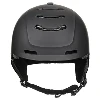
Hey there, fellow winter sports enthusiasts! As a supplier of adjustable ski helmets, I've seen firsthand how crucial it is to have a helmet that fits just right. A well-fitting helmet can make all the difference in your safety and comfort on the slopes. So, how do you know if an adjustable ski helmet fits properly? Let's dive in and find out.
Measuring Your Head
The first step in finding the right fit is to measure your head accurately. You'll need a flexible measuring tape for this. Wrap the tape around the widest part of your head, which is usually just above your eyebrows and ears. Make sure the tape is snug but not too tight. Write down the measurement in centimeters or inches.


Most adjustable ski helmets come with a size chart that correlates head measurements with helmet sizes. Refer to the size chart provided by the manufacturer to find the appropriate size for your head. Keep in mind that different brands may have slightly different sizing, so it's always a good idea to double-check the measurements.
Trying on the Helmet
Once you've determined your size, it's time to try on the helmet. Put the helmet on your head and adjust the straps so that they are comfortably snug under your chin. The helmet should sit level on your head, covering the top of your forehead and extending down to just above your ears.
You should be able to move your head around without the helmet shifting or sliding. It should feel secure but not too tight. If the helmet feels too loose, you can usually adjust the fit using the adjustable straps or the sizing system inside the helmet. Some helmets have a dial or a ratchet system that allows you to easily tighten or loosen the fit.
Checking for Pressure Points
As you wear the helmet, pay attention to any pressure points or areas of discomfort. A properly fitting helmet should distribute the pressure evenly across your head, without causing any pain or discomfort. If you feel any tight spots or pressure points, try adjusting the straps or the sizing system to relieve the pressure.
You should also check the fit around your ears. The helmet should not press too tightly on your ears, as this can cause discomfort and even affect your hearing. Make sure there is enough room for your ears to fit comfortably inside the helmet.
Testing the Helmet's Stability
In addition to a comfortable fit, a properly fitting helmet should also provide good stability. You can test the stability of the helmet by gently shaking your head from side to side and up and down. The helmet should stay in place without shifting or moving.
You can also try bending down and looking up while wearing the helmet. The helmet should not fall forward or backward. If the helmet feels unstable or moves around too much, it may not be a good fit for you.
Considering Your Activity
When choosing a ski helmet, it's important to consider the type of activity you'll be doing. Different activities may require different types of helmets. For example, if you're a beginner skier or snowboarder, you may want a helmet that provides more coverage and protection. If you're an experienced skier or snowboarder who likes to do more advanced tricks and jumps, you may want a helmet that is more lightweight and aerodynamic.
You should also consider the weather conditions and the temperature. If you're skiing or snowboarding in cold weather, you may want a helmet that has a warmer lining or insulation. If you're skiing or snowboarding in warm weather, you may want a helmet that has more ventilation to keep you cool.
Looking for Additional Features
In addition to a proper fit, you may also want to consider other features when choosing a ski helmet. Some helmets come with additional features such as built-in headphones, a visor, or a ventilation system. These features can enhance your comfort and convenience on the slopes.
For example, if you like to listen to music while you ski or snowboard, you may want to choose a helmet with built-in headphones. This can allow you to enjoy your favorite music without having to wear separate headphones, which can be uncomfortable and may even affect your hearing.
If you ski or snowboard in bright sunlight, you may want to choose a helmet with a visor. A visor can help to protect your eyes from the sun's glare and reduce the need for separate sunglasses.
If you tend to get hot and sweaty while you ski or snowboard, you may want to choose a helmet with a ventilation system. A ventilation system can help to keep your head cool and dry by allowing air to circulate inside the helmet.
Conclusion
In conclusion, finding a properly fitting adjustable ski helmet is essential for your safety and comfort on the slopes. By following these tips and guidelines, you can ensure that you choose a helmet that fits just right and provides the protection you need.
Remember, a well-fitting helmet can make all the difference in your skiing or snowboarding experience. So, take the time to find the right helmet for you, and enjoy the slopes with confidence!
If you're interested in purchasing an adjustable ski helmet, we offer a wide range of Adult Snow Helmet, Cycling Helmet for Adults, and Mountain Bike Helmets for Adults. Our helmets are designed to provide the highest level of protection and comfort, and they come in a variety of styles and sizes to suit your needs.
If you have any questions or need help choosing the right helmet, please don't hesitate to contact us. We're here to help you find the perfect helmet for your next adventure on the slopes!
References
- ASTM International. (2021). Standard Specification for Helmets Used in Recreational Snow Sports. ASTM F2040-21.
- Snell Memorial Foundation. (2021). Helmet Standards. Snell B-95, Snell M2020, etc.
- Consumer Product Safety Commission. (2021). Helmet Safety. Retrieved from https://www.cpsc.gov/Business--Manufacturing/Safety-Standards/Helmet-Safety