

When it comes to kids' bike helmets, the type of foam used is a crucial factor that directly impacts the safety and comfort of young riders. As a dedicated supplier of Kids Helmet Bike products, I understand the importance of choosing the right foam to ensure optimal protection for children during their cycling adventures. In this blog, I will explore the different types of foam commonly used in kids' bike helmets, their characteristics, and why they matter.
EPS Foam: The Industry Standard
Expanded Polystyrene (EPS) foam is the most widely used material in bike helmets, including those designed for kids. EPS foam is made up of small beads that are expanded and fused together to form a lightweight and energy-absorbing structure. When a helmet with EPS foam is subjected to an impact, the foam compresses and crushes, dissipating the energy of the impact and reducing the force transmitted to the rider's head.
One of the key advantages of EPS foam is its excellent energy absorption properties. It can effectively reduce the peak impact force, which is crucial in preventing head injuries. EPS foam is also lightweight, which is important for kids as it helps to reduce neck fatigue during long rides. Additionally, EPS foam is relatively inexpensive to produce, making it a cost-effective option for helmet manufacturers.
However, EPS foam has some limitations. Once it has been compressed during an impact, it loses its ability to absorb energy effectively, and the helmet needs to be replaced. This means that even if the helmet appears to be undamaged after a crash, it may no longer provide the same level of protection. Another drawback of EPS foam is that it can be brittle in cold temperatures, which may reduce its performance in winter conditions.
EPP Foam: A More Durable Alternative
Expanded Polypropylene (EPP) foam is another type of foam that is increasingly being used in kids' bike helmets. EPP foam is similar to EPS foam in that it is made up of small beads that are expanded and fused together. However, EPP foam has a more elastic structure, which allows it to recover its shape after being compressed.
One of the main advantages of EPP foam is its durability. Unlike EPS foam, EPP foam can withstand multiple impacts without losing its energy absorption properties. This means that a helmet with EPP foam may be able to provide protection for a longer period of time, even after a minor crash. EPP foam is also more resistant to cold temperatures than EPS foam, making it a better choice for winter riding.
In addition to its durability, EPP foam is also lightweight and comfortable. It provides a good balance of energy absorption and comfort, which is important for kids who may be wearing their helmets for extended periods of time. However, EPP foam is more expensive to produce than EPS foam, which may make helmets with EPP foam more expensive for consumers.
MIPS Technology: A New Approach to Impact Protection
Multi-directional Impact Protection System (MIPS) is a relatively new technology that is being incorporated into some kids' bike helmets. MIPS technology consists of a low-friction layer inside the helmet that allows the helmet to rotate slightly relative to the head during an impact. This rotation helps to reduce the rotational forces that can cause brain injuries, such as concussions.
MIPS technology has been shown to be effective in reducing the risk of brain injuries in laboratory tests. By reducing the rotational forces on the brain, MIPS technology can help to protect kids from more severe injuries in the event of a crash. However, MIPS technology does not replace the need for a helmet with good energy absorption properties. It is designed to work in conjunction with the foam in the helmet to provide additional protection.
Helmets with MIPS technology are typically more expensive than helmets without it. However, for parents who are concerned about the safety of their children, the additional cost may be worth it. When choosing a kids' bike helmet with MIPS technology, it is important to make sure that the helmet fits properly and provides a good balance of energy absorption and comfort.

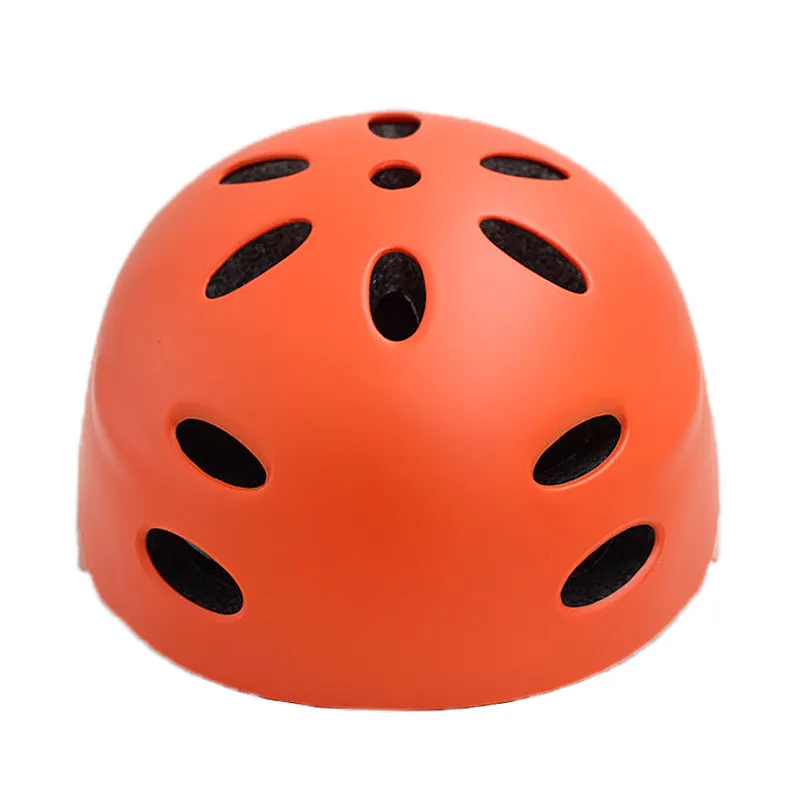
Our Range of Kids' Bike Helmets
At our company, we offer a wide range of kids' bike helmets that are designed to meet the needs of young riders. Our helmets are made with high-quality foam materials, including EPS and EPP foam, to provide optimal protection in the event of an impact. We also offer helmets with MIPS technology for added protection against rotational forces.
One of our popular products is the Adjustable Kids Helmet. This helmet features an adjustable fit system that allows parents to customize the fit of the helmet to their child's head. It is made with EPS foam for excellent energy absorption and has a lightweight and comfortable design.
Another great option is the Cycle Kids Helmet. This helmet is designed specifically for cycling and features a ventilation system that helps to keep kids cool and comfortable during their rides. It is made with EPP foam for durability and provides a good balance of protection and comfort.
For kids who love dirt biking, we offer the Kids Dirt Bike Helmet. This helmet is designed to withstand the rigors of off-road riding and features a full-face design for added protection. It is made with a combination of EPS and EPP foam to provide excellent energy absorption and durability.
Conclusion
Choosing the right type of foam for kids' bike helmets is essential for ensuring their safety and comfort during cycling. EPS foam is the industry standard and provides excellent energy absorption, but it may need to be replaced after an impact. EPP foam is a more durable alternative that can withstand multiple impacts, but it is more expensive. MIPS technology is a new approach to impact protection that can help to reduce the risk of brain injuries.
At our company, we are committed to providing high-quality kids' bike helmets that are made with the best foam materials and incorporate the latest safety technologies. If you are interested in purchasing our kids' bike helmets or have any questions about our products, please feel free to contact us for more information. We look forward to working with you to keep your kids safe on their bikes.
References
- American Academy of Pediatrics. (2019). Policy Statement - Bicycle Helmets for Children and Adolescents. Pediatrics, 143(6).
- Snell Memorial Foundation. (2020). Helmet Standards. Retrieved from [Snell website]
- MIPS. (2021). How MIPS Works. Retrieved from [MIPS website]


