

When it comes to road bikes, one of the most critical decisions you'll make is choosing the right frame. Among the options available, compact and standard road bike frames stand out as two popular choices, each with its own unique characteristics, advantages, and trade - offs. As a road bike supplier, we've seen firsthand how these two frame types can impact a rider's experience, and in this post, we'll delve into the differences between them to help you make an informed decision.

Geometric Design
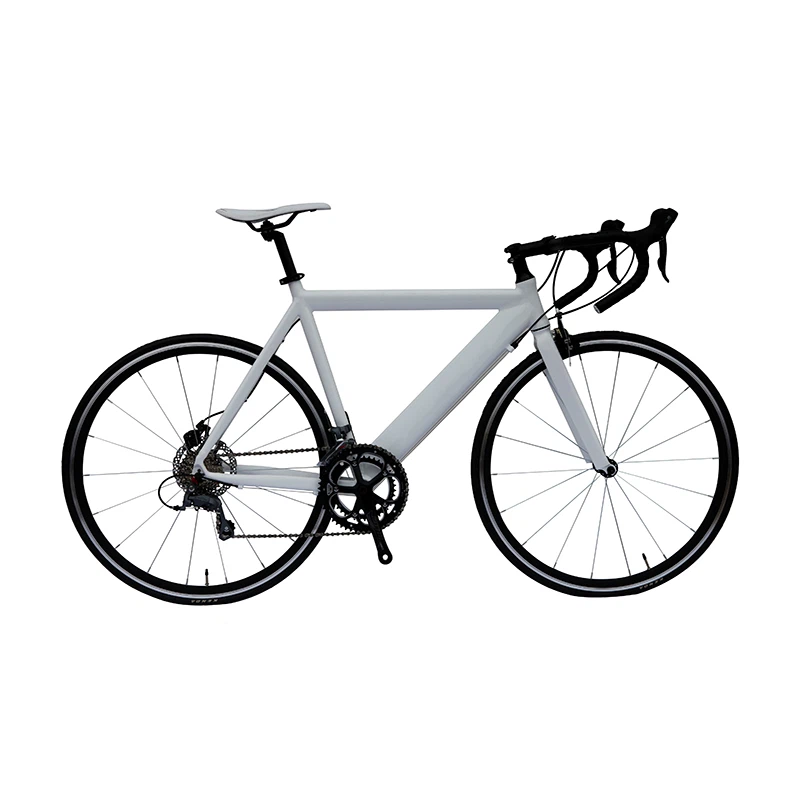
The most obvious difference between compact and standard road bike frames lies in their geometric design. A standard road bike frame typically features a horizontal top tube that runs parallel to the ground when the bike is at rest. This design has been around for decades and is often associated with a more traditional and classic aesthetic. Historically, it was the norm in road cycling, and many purists still prefer the look and feel of a standard frame.
On the other hand, a compact road bike frame has a sloping top tube. The angle of the top tube creates a smaller, more triangular - shaped frame. This design was first introduced in the 1990s by bike manufacturers looking to improve the fit and handling of road bikes. The sloping top tube allows for a shorter seat tube, which in turn can lower the stand - over height of the bike.
The stand - over height is the clearance between the top tube of the bike and your crotch when you stand over the bike with your feet flat on the ground. A lower stand - over height in a compact frame makes it easier for riders to mount and dismount the bike, especially in situations where quick stops and starts are common, such as in urban cycling or during a race.
Fit and Comfort
Fit is a crucial aspect of any road bike, as it can significantly affect your comfort and performance on the road. A standard road bike frame offers a more straightforward fit. The horizontal top tube provides a consistent length measurement, making it easier for riders to find a frame size based on their body measurements. This simplicity in sizing is often appealing to novice riders who may not be as familiar with the intricacies of bike fit.
Compact frames, however, offer a more adjustable fit. The sloping top tube allows for a greater range of seat and stem adjustments. Riders can fine - tune their position on the bike more precisely, which is particularly beneficial for riders with different body proportions or those who have specific comfort requirements. For example, a rider with a shorter torso may find it easier to achieve a comfortable riding position on a compact frame by adjusting the stem length and handlebar height.
In terms of comfort, the compact frame can also offer better shock absorption. The shorter seat tube in a compact frame provides less leverage for the forces generated by bumps on the road, reducing the amount of vibration transferred to the rider. This can lead to a smoother and more comfortable ride, especially on rough or uneven surfaces.
Handling and Performance
The handling characteristics of a road bike are largely determined by its frame geometry. Standard road bike frames are known for their stability. The longer top tube and seat tube provide a more rigid and stable platform, which is beneficial for high - speed riding and long - distance touring. When you're flying down a hill at high speeds, the stability of a standard frame can give you more confidence in your handling.
Compact road bike frames, on the other hand, are generally more agile. The shorter wheelbase and lower stand - over height make the bike more maneuverable, allowing riders to navigate tight corners and traffic with greater ease. This agility makes compact frames a popular choice for criterium racing, where quick acceleration and sharp turns are the norm.
In terms of climbing performance, compact frames may have an edge. The lower stand - over height makes it easier to shift your weight forward and backward on the bike while climbing, which can help you maintain traction and power. Additionally, the more adjustable fit of a compact frame allows riders to optimize their position for maximum climbing efficiency.
Weight and Aerodynamics
When it comes to weight, compact frames often have the upper hand. The shorter seat tube and smaller overall frame size result in less material being used, which can make the bike lighter. A lighter bike is generally easier to accelerate and climb, which can be a significant advantage in racing or when tackling challenging terrain. For example, our Lightweight Womens Road Bike often features a compact frame to achieve a lower weight without sacrificing strength.
In terms of aerodynamics, the differences between compact and standard frames are less clear - cut. A standard frame with a longer, horizontal top tube may present a larger surface area to the wind, potentially creating more drag. However, some riders argue that the more aggressive riding position that can be achieved on a standard frame can actually reduce aerodynamic drag. Compact frames, with their smaller size, may also offer some aerodynamic benefits, especially if they are designed with aerodynamic tube shapes.
Cost
The cost of a road bike can vary depending on many factors, including the frame type. Generally speaking, there is no significant difference in cost between compact and standard frames at a similar level of quality. However, if you're looking at high - end performance bikes, the cost may be more influenced by other factors such as the materials used (e.g., carbon fiber vs. aluminum) and the brand. As a road bike supplier, we offer a range of options at different price points, so you can find a bike that fits your budget, whether you prefer a compact or standard frame. For example, our 52 cm Road Bike comes in both compact and standard frame options with competitive pricing.
Ideal Riding Conditions and Riders
The choice between a compact and standard road bike frame also depends on your ideal riding conditions and your riding style. If you primarily ride on smooth, straight roads and focus on long - distance touring or high - speed riding, a standard frame may be the better choice. Its stability and straightforward fit make it a reliable option for extended rides.
If you ride in urban areas with a lot of traffic, or if you participate in criterium races or mountain climbing, a compact frame may be more suitable. Its agility, adjustability, and lower stand - over height make it better for navigating tight spaces and changing terrain.
Novice riders may find a standard frame easier to understand in terms of sizing and fit, while more experienced riders who are looking for a high - performance bike with better adjustability may prefer a compact frame.
Conclusion
In conclusion, the differences between compact and standard road bike frames are significant and can have a profound impact on your riding experience. As a road bike supplier, we understand the importance of helping you choose the right frame for your needs. Whether you're looking for a bike for daily commuting, weekend rides, or competitive racing, we have a wide selection of road bikes with both compact and standard frames to choose from.
If you're interested in learning more about our road bikes, or if you're ready to make a purchase and start discussing your specific requirements, we encourage you to reach out to us. We're here to provide you with expert advice and help you find the perfect road bike for your adventures. Our Urban Road Bike series is a great option for those looking for a versatile bike suitable for various urban riding conditions.
References
- Wilson, R. (2018). The Complete Guide to Road Bike Frames. Cycling World Publishing.
- Smith, J. (2020). Frame Geometry and Its Impact on Road Bike Performance. Journal of Cycling Science, 12(3), 45 - 58.


