

Hey there, fellow road bike enthusiasts! As a road bike supplier, I've seen it all when it comes to choosing the right tires for your ride. It's not just about slapping on any old tire and hitting the road. There are a bunch of factors to consider, and I'm here to break it down for you.
First off, let's talk about tire size. This is a biggie. The size of your road bike tires can have a huge impact on your ride quality, speed, and even safety. Most road bikes come with tire sizes ranging from 23mm to 28mm, but you can find even wider options out there.
A narrower tire, like a 23mm or 25mm, is great for speed. It has less rolling resistance, which means you can go faster with less effort. These tires are perfect for racing or if you're really into speed. But they do have some drawbacks. They're more prone to punctures because they have less surface area in contact with the road, and they can be a bit less comfortable on rough roads.

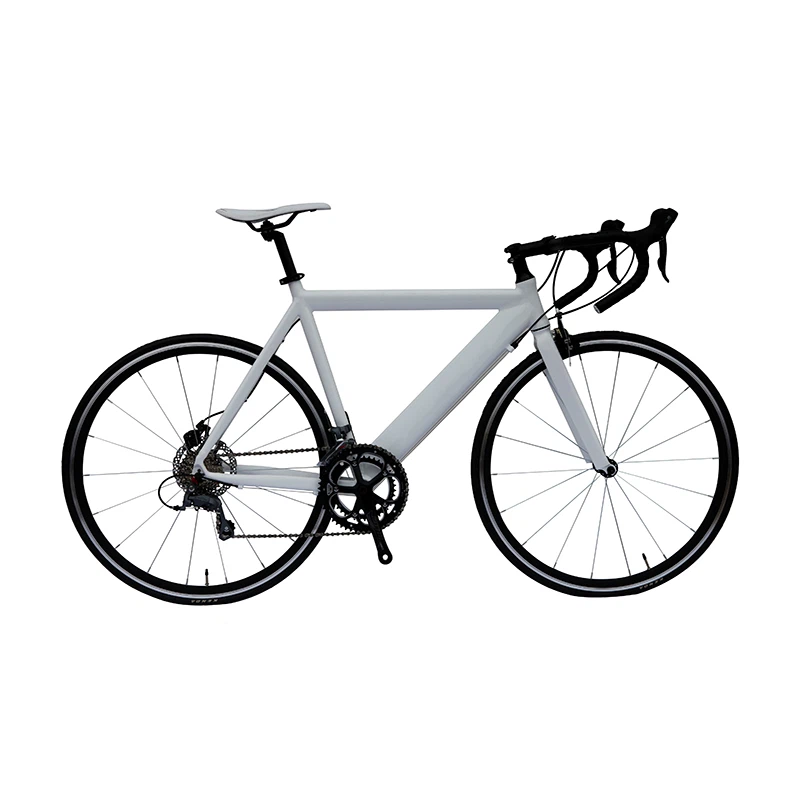
On the other hand, wider tires, like 28mm or even wider, offer more comfort and better traction. They can absorb bumps and cracks in the road better, giving you a smoother ride. They're also more puncture-resistant because of the larger contact patch. However, they do have more rolling resistance, which means you'll have to work a bit harder to maintain speed.
So, how do you choose the right size? Well, it depends on how you use your bike. If you're a racer or a speed demon, go for the narrower tires. But if you're more into long rides or commuting on less-than-perfect roads, wider tires might be the way to go.
Another important factor to consider is tire tread. Road bike tires generally come in two main types of tread patterns: slick and semi-slick.
Slick tires have a smooth surface with no tread pattern. They're designed for maximum speed on smooth roads. Since there's no tread to create friction, they have very low rolling resistance. This makes them ideal for racing or riding on well-paved roads. However, they don't offer much traction in wet conditions. If it's raining or the roads are wet, slick tires can be a bit slippery, so you have to be extra careful.
Semi-slick tires, on the other hand, have a smooth center section for low rolling resistance and some tread on the sides for better traction. This makes them a great all-around option. They're fast on dry roads like slick tires, but they also offer better grip in wet conditions. If you're not sure what kind of roads you'll be riding on or if you want a tire that can handle different weather conditions, semi-slick tires are a good choice.
Now, let's talk about tire compound. The compound is the material that the tire is made of, and it can have a big impact on performance.
Soft compounds offer better grip and traction. They conform to the road surface better, giving you more control. However, they wear out faster. If you're a hard rider or you do a lot of cornering, a soft compound tire might be worth it for the extra grip.
Hard compounds, on the other hand, are more durable. They last longer and are less likely to wear down quickly. But they don't offer as much grip as soft compounds. If you're a casual rider or you don't put a lot of miles on your bike, a hard compound tire might be a better choice.
Puncture resistance is also a crucial factor, especially if you're riding in areas with lots of glass, nails, or other sharp objects. There are a few ways that tire manufacturers improve puncture resistance.
Some tires have a layer of Kevlar or other puncture-resistant materials built into the tire. This layer acts as a barrier, preventing sharp objects from penetrating the tire. These tires are usually a bit heavier and more expensive, but they can save you a lot of hassle in the long run.
Another option is to use tire liners. These are thin strips of material that you can install between the tire and the tube. They add an extra layer of protection against punctures. Tire liners are a more affordable option than puncture-resistant tires, but they do add a bit of weight to your bike.
Now, let's talk about some of the road bikes we offer at our store. We have a great selection of Urban Road Bike that are perfect for city riding. These bikes are designed to handle the challenges of urban roads, and choosing the right tires is essential for a smooth and safe ride.
If you're a female rider, we also have Lightweight Womens Road Bike. These bikes are lightweight and easy to handle, and the right tires can enhance their performance even more.
And for those who need a specific size, we have 52 cm Road Bike. The right tires for this bike can make a big difference in how it rides.
In conclusion, choosing the right road bike tires is all about finding the right balance between speed, comfort, traction, and puncture resistance. Consider how you use your bike, the type of roads you'll be riding on, and your personal preferences. And if you're still not sure, don't hesitate to reach out to us. We're here to help you make the best choice for your road bike.
If you're interested in purchasing road bike tires or bikes, we'd love to have a chat with you. Whether you're a beginner or a seasoned pro, we can provide you with the best products and advice to suit your needs. Contact us to start the procurement negotiation process, and let's get you on the road with the perfect setup!
References
- "Bicycling Magazine" - A great resource for all things bike-related, including tire reviews and buying guides.
- "Sheldon Brown's Bicycle Glossary" - An online encyclopedia of bicycle knowledge, with detailed information about tire types and features.


