

When it comes to choosing a road bike, there are numerous factors to consider. As a road bike supplier, I've seen firsthand how overwhelming this decision can be for both novice and experienced cyclists. In this blog, I'll guide you through the key aspects you should take into account to make an informed choice.
Understanding Your Cycling Goals
The first step in choosing a road bike is to define your cycling goals. Are you planning to use the bike for daily commuting, long - distance touring, competitive racing, or weekend recreational rides? Your goals will significantly influence the type of road bike that suits you best.
For daily commuting in an urban environment, an Urban Road Bike might be your ideal choice. These bikes are designed to handle stop - and - go traffic, potholes, and uneven city streets. They often come with features like fenders to keep you dry in wet weather, racks for carrying your work essentials, and a more upright riding position for better visibility and comfort during short rides.
If you're into long - distance touring, you'll need a bike that can handle heavy loads and long hours in the saddle. Touring road bikes typically have a more relaxed geometry, wider tire clearances for different terrains, and multiple mounting points for panniers and other accessories.
For competitive racing, lightweight and aerodynamics are the name of the game. Racing road bikes are built with high - end materials to reduce weight and are designed with a more aggressive riding position to minimize wind resistance.
Frame Material
The frame is the heart of a road bike, and the material it's made from has a significant impact on the bike's performance, weight, and cost.
- Aluminum: Aluminum frames are popular due to their affordability, lightweight, and corrosion resistance. They offer a good balance between performance and cost, making them a great choice for beginners and budget - conscious cyclists. Aluminum frames are also known for their stiffness, which provides efficient power transfer when pedaling.
- Carbon Fiber: Carbon fiber frames are the top choice for high - performance road bikes. They are extremely lightweight, which makes climbing hills much easier. Carbon fiber can also be engineered to dampen vibrations, providing a smoother ride. However, they come with a higher price tag and may require more careful handling as they can be more prone to damage from impacts.
- Steel: Steel frames have a long - standing reputation for durability and a smooth, comfortable ride. They can absorb road vibrations well, which is great for long - distance rides. Steel bikes are also relatively easy to repair. However, they are generally heavier than aluminum and carbon fiber frames.
- Titanium: Titanium frames offer a combination of strength, durability, and a smooth ride. They are corrosion - resistant and have a long lifespan. Titanium bikes are often considered a premium option, with a price point that reflects their quality and performance.
Bike Size
Getting the right bike size is crucial for your comfort, safety, and performance. A bike that is too small or too large can lead to discomfort, inefficient pedaling, and even injury.
When measuring for a road bike, the most important dimension is the frame size. Frame size is typically measured in centimeters. For example, a 52 cm Road Bike is a common size for riders of average height. However, frame size alone is not enough. You also need to consider other factors such as the reach (the horizontal distance from the saddle to the handlebars) and the stack (the vertical distance from the bottom bracket to the top of the head tube).
To determine the correct bike size, you can visit a professional bike fitter. They will take precise measurements of your body, including your inseam, torso length, and arm length, and use these measurements to recommend the appropriate bike size and adjustments. If you can't visit a bike fitter, many bike manufacturers provide size charts on their websites. These charts can give you a general idea of the frame size that might fit you based on your height and inseam.
Components and Groupsets
The components and groupsets on a road bike are responsible for its shifting, braking, and overall functionality. There are several well - known brands that produce high - quality components, such as Shimano, SRAM, and Campagnolo.
- Shifting Systems: A good shifting system allows for smooth and precise gear changes. Most modern road bikes use a derailleur - based shifting system. There are different levels of groupsets available, from entry - level to high - end. Higher - end groupsets offer more precise shifting, lighter weight, and better durability.
- Braking Systems: Brakes are essential for your safety on the road. There are two main types of brakes on road bikes: rim brakes and disc brakes. Rim brakes are lighter and less expensive, but they can be less effective in wet conditions. Disc brakes, on the other hand, provide more consistent stopping power in all weather conditions and are becoming increasingly popular on road bikes.
Wheel and Tire Selection
The wheels and tires on a road bike can significantly affect its performance, handling, and comfort.
- Wheels: Wheels come in different sizes, with 700c being the standard for most road bikes. The weight, aerodynamics, and durability of the wheels are important considerations. Lightweight wheels are great for climbing, while aerodynamic wheels can help you go faster on flat sections. You also need to consider the spoke count and the type of hub (freehub or cassette) when choosing wheels.
- Tires: Tires play a crucial role in traction, rolling resistance, and comfort. For road bikes, you'll typically find tires with widths ranging from 23mm to 32mm. Narrower tires have lower rolling resistance, which is good for speed, but they may not provide as much comfort or traction. Wider tires offer a smoother ride and better traction, especially on rough roads. You also need to consider the tire's tread pattern and the type of rubber compound used.
Gender - Specific Bikes
Women often have different body proportions and riding preferences compared to men, which is why there are Lightweight Womens Road Bike options available. Women's road bikes are designed with a more appropriate frame geometry, shorter top tubes, and narrower handlebars to better fit female riders. They may also come with saddles and other components that are specifically designed for women's comfort.
Budget
Your budget will ultimately determine the type of road bike you can afford. Road bikes can range from a few hundred dollars to several thousand dollars. It's important to set a realistic budget based on your needs and priorities. Remember, while a more expensive bike may offer better performance and features, there are also many great entry - level and mid - range bikes that can meet your requirements.

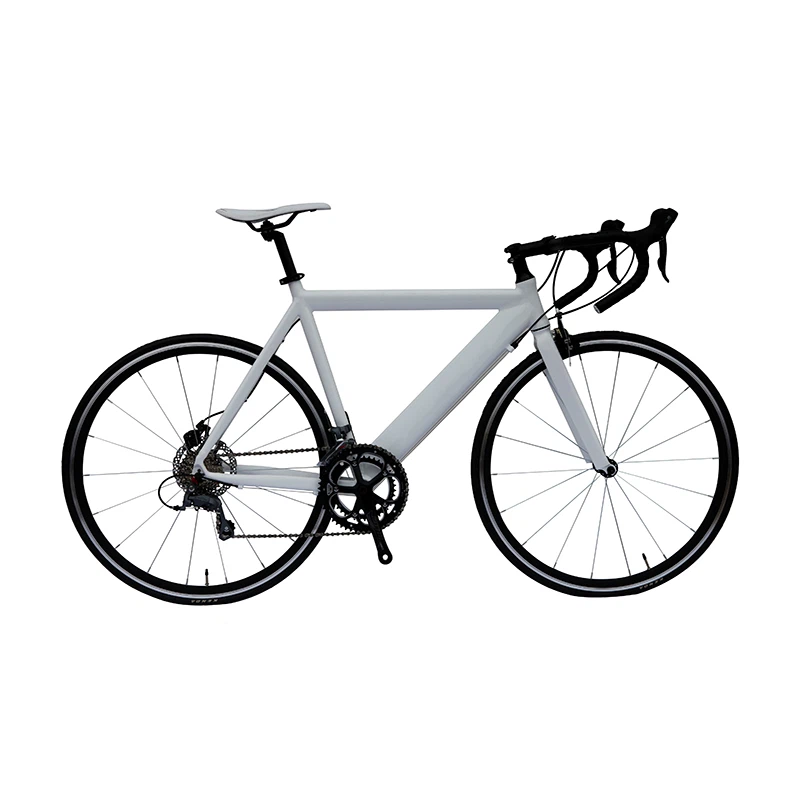
Test Riding
Before making a final decision, it's highly recommended to test ride the bike. A test ride allows you to experience the bike's handling, comfort, and performance firsthand. Pay attention to how the bike feels when you pedal, brake, and turn. Notice if the riding position is comfortable for you and if the bike responds well to your inputs.
Conclusion
Choosing a road bike is a personal decision that depends on your cycling goals, budget, and personal preferences. By considering the factors mentioned above, you can narrow down your options and find the perfect road bike for you.
If you're interested in purchasing a road bike or have any questions about our products, I encourage you to reach out to us for a procurement discussion. We're here to help you make the best choice and provide you with a high - quality road bike that meets your needs.
References
- "Bicycling Magazine": A leading source of information on cycling, including bike reviews, buying guides, and technical articles.
- "Sheldon Brown's Bicycle Technical Information": A comprehensive online resource for all things related to bicycles, including frame sizing, component selection, and maintenance.
- "Cycling Weekly": Another well - known cycling publication that offers in - depth reviews and expert advice on road bikes and cycling gear.


